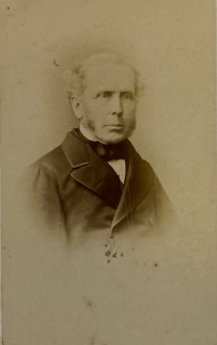
Judges
The head of the 19th century Irish legal system was the Lord Chancellor of Ireland (the premier judge in the Court of Chancery), with the Lord Chief Justice of Ireland (the premier judge in the Court of King’s Bench) coming next in precedence. There followed the Chief Justice of the Common Pleas in Ireland and the Chief Baron of the Irish Exchequer. All were assisted by puisne judges also assigned to the relevant court.
There was also a Rolls Court run by the Lord Chancellor’s Deputy, the Master of the Rolls in Ireland. Later, there was an Admiralty Court, a Bankruptcy Court, an Encumbered/Landed Estates Court and a Probate Court. All of these had designated judges presiding over them.
The above system was changed by the Supreme Court of Judicature (Ireland) Act 1877, which converted the original four courts of Chancery, King’s Bench, Exchequer and Common Pleas into divisions of a single High Court of Justice. By 1897 the four divisions of the High Court of Justice had been reduced to two: Chancery and King’s Bench. The 1877 Act also created a Court of Appeal in Ireland
The creation of the Irish Free State in 1922 was followed by the Courts of Justice (Ireland) Act 1924. This Act replaced the Court of Appeal in Ireland with a Supreme Court and a Court of Criminal Appeal. The High Court of Justice was replaced by a new High Court of the same name, but without divisions, and a Central Criminal Court took the place of the previous Assize jurisdiction of the High Court, which had involved High Court judges travelling outside Dublin to preside over trials for serious criminal offences.
-
Ms. Justice Mella Carroll as a Student at the King’s Inns, 1956
A nice write-up and photograph of trainee barrister Mella Carroll by Barbara Page in her ‘Women’s Saturday Magazine’ in the Evening Herald, 21 January 1956. As all Irish barristers know, Mella subsequently went on to become the first female judge… Continue reading

-
Lord Morris and his Brogue, 1901
A story from the Heywood Advertiser, 4 January 1901, about Lord Morris, Lord Chief Justice of the King’s Bench for Ireland (1887-1889) and Lord of Appeal in Ordinary in the House of Lords (1889-1900). Even after his elevation to the… Continue reading
-
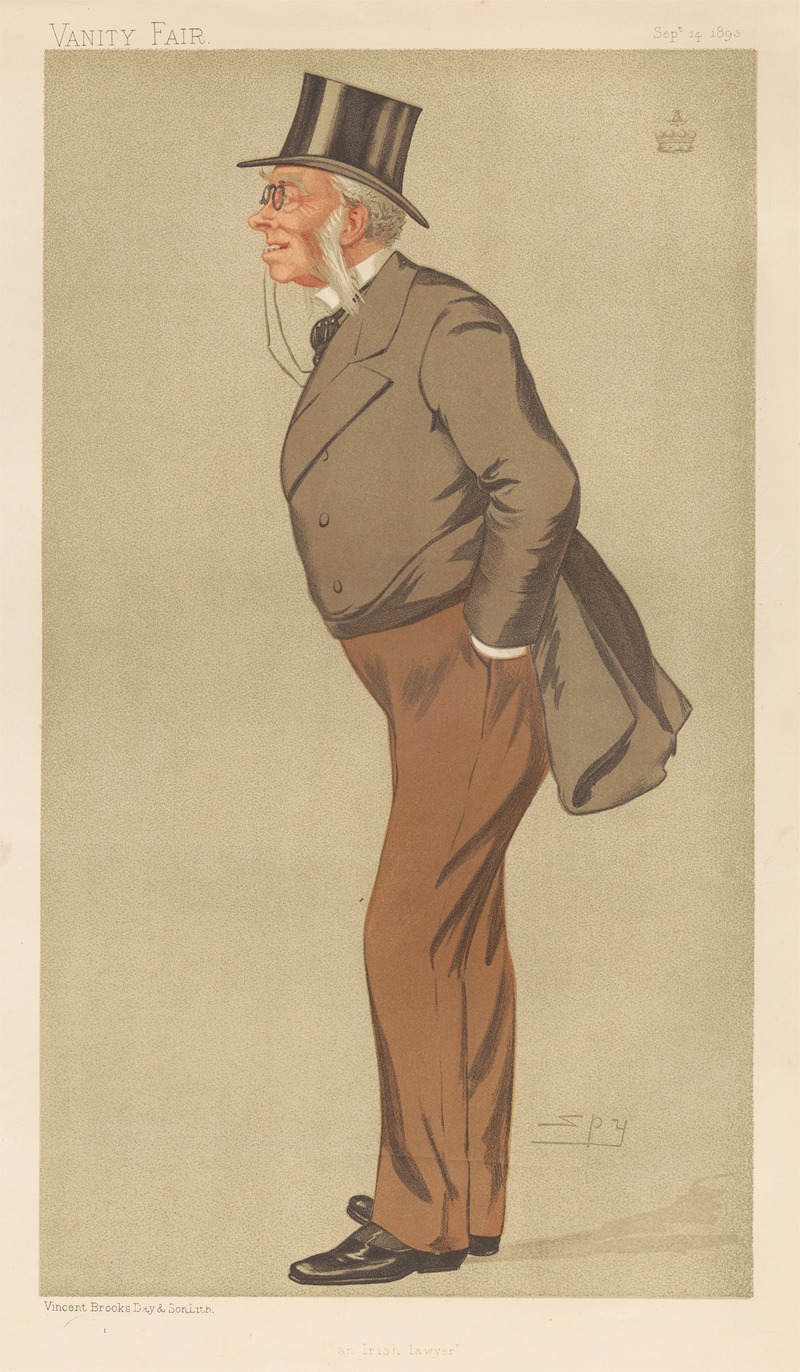
A New Song on the Insanity and Doings of the Poor Judge, 1878
The ‘Poor Judge’ of the above ballad was none other than William Nicholas Keogh, Judge of the Court of Common Pleas in Ireland, 1856-78. “Oh! There’s another good man gone wrong, burreo hurreoWho is well known to you, it’s true,… Continue reading
-
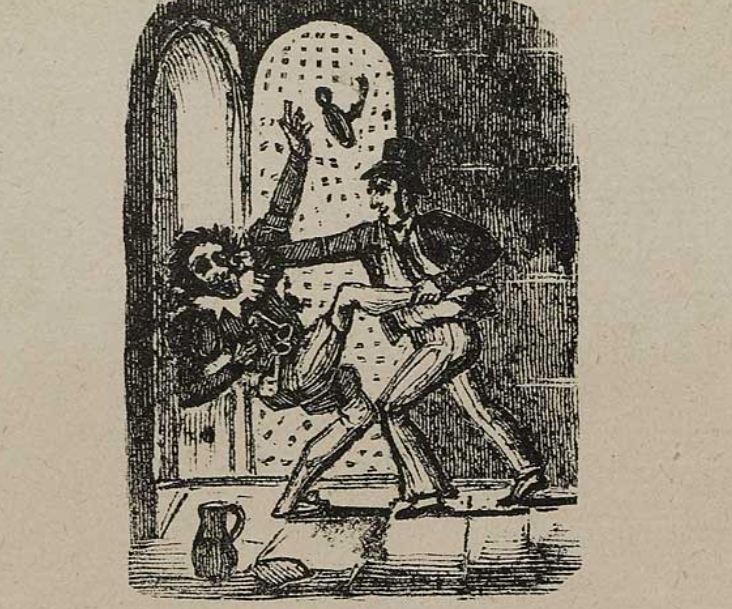
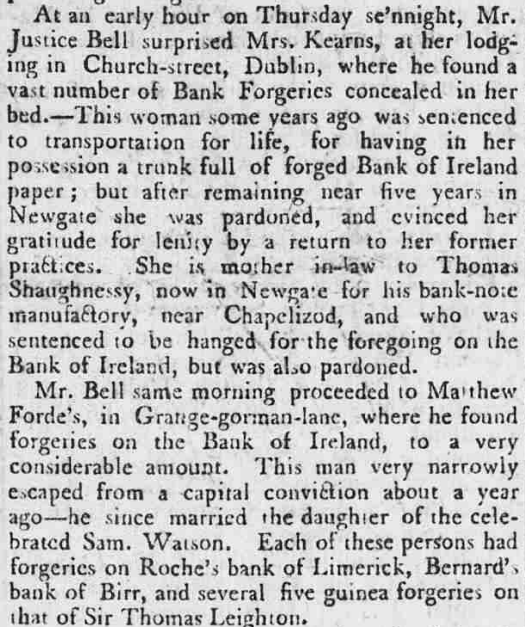
Female Forger Surprised by Judge at her Lodgings in Church Street, Dublin, 1803
Forgery near the Four Courts, Dublin, Ireland in 1803, when the very active Mr Justice Bell, who carried out many arrests of criminals in Dublin in the first decade of the 19th century, apprehended Mrs Kearns at her lodgings in… Continue reading
-
Why Judges Should Not Write Down their Judgments, 1877
From the Irish Times of 17 November 1877, this complaint about Jonathan Christian (image above), Lord Justice of Appeal in the Irish Court of Chancery (1867-78) and later briefly Lord Justice of the Court of Appeal in Ireland (1878): “Lord… Continue reading